
Sustainability in Cosmetic Packaging
The beauty industry has faced continued scrutiny for its reliance on plastic packaging and the environmental impact associated with that material use. SunTop Printing is a commercial printing company based in Shenzhen. In this context, sustainable cosmetic packaging is discussed as a shift in material choice, structural planning, and packaging review within the broader cosmetics sector.
Paper-Based Cosmetic Boxes
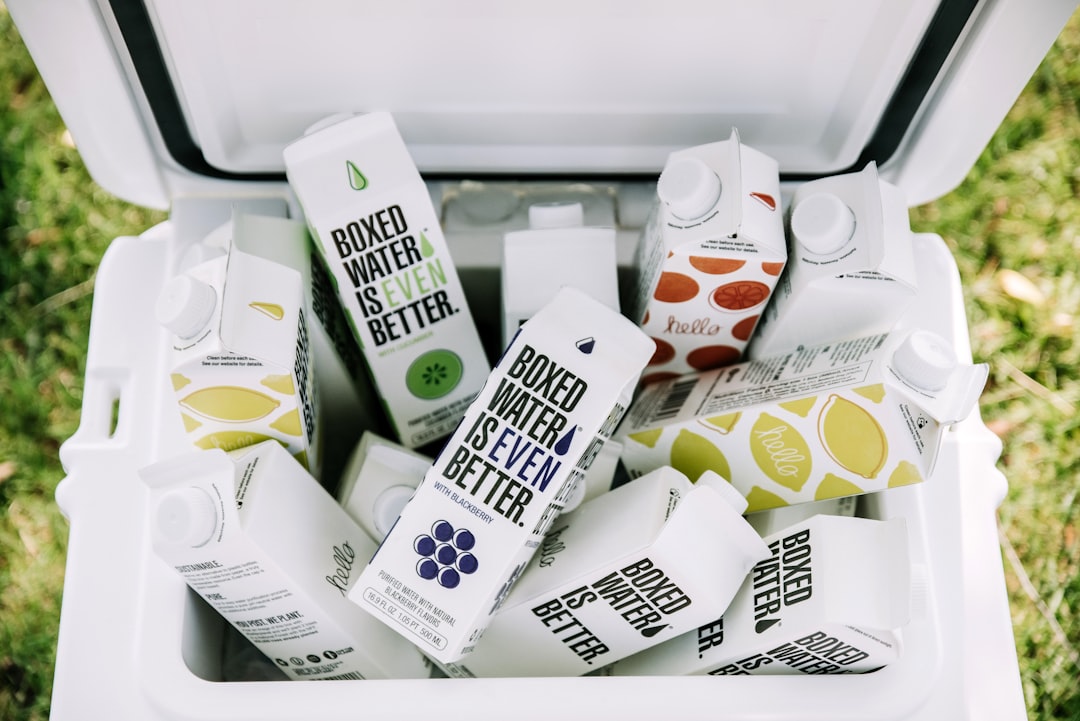
One of the most visible developments in this shift is the wider use of paper-based cosmetic boxes. Recycled paperboard and FSC-certified materials are commonly referenced in cosmetic packaging because they can support recyclable or biodegradable outer packaging formats. For many brands, these materials are used to reduce dependence on plastic while aligning packaging choices with environmental review and compliance expectations.
Alternative Materials in Cosmetic Packaging
Beyond paperboard, cosmetic brands also evaluate materials such as glass, aluminum, and bamboo. These materials are discussed in relation to both environmental impact and packaging presentation. Glass jars, metal tins, and bamboo components change how the package is handled, stored, and perceived, which is one reason they appear in packaging reviews for cosmetics and personal care products.
Material and Presentation Effects
Material selection affects weight, reuse potential, surface appearance, and structural behavior. In cosmetic packaging, these factors are often reviewed together because environmental performance and visual presentation are usually treated as linked parts of the packaging decision.
Plastic Reduction and Circular Use
This shift is also influenced by broader concern about single-use plastics in waste streams and marine environments. Packaging formats that support reuse, recyclability, or lower virgin plastic content are often discussed in relation to circular material use. In this setting, sustainable packaging is treated as part of long-term materials planning rather than as a short-term visual change.
Packaging Structure and Commercial Execution
Sustainable cosmetic packaging depends not only on material choice but also on structure, print control, and finishing coordination. Paperboard folding cartons and similar outer pack formats may follow workflows similar to custom packaging boxes when print, structure, and finishing need to remain aligned under defined specifications. In this context, packaging is assessed through execution control as well as environmental intent.
Brand Response and Market Context
Consumer attention to sustainability has affected how beauty brands present and specify packaging. Cosmetic packaging is increasingly reviewed not only for shelf presentation and protection, but also for how material choices align with environmental expectations. This has made sustainable packaging a more regular part of product development and packaging procurement in the beauty sector.
Conclusion
The rise of sustainable cosmetic packaging reflects a broader change in how beauty brands approach materials, structure, and environmental impact. Recycled paperboard, FSC-certified substrates, glass, aluminum, and bamboo are all part of this transition. In cosmetic packaging review, sustainability is increasingly treated as a material and execution framework within long-term packaging planning.
